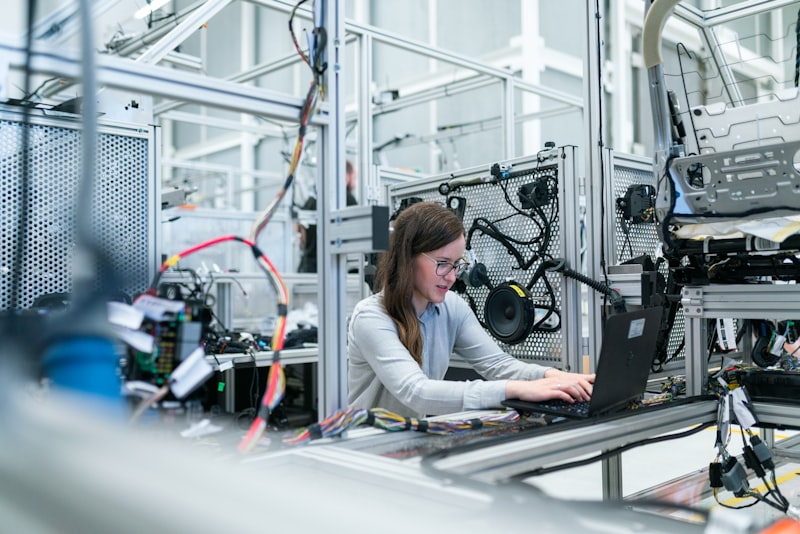
Biohacking 101: Unleashing Human Potential Through Science, Tech, and Self-Experimentation
From wearable sensors to genetic engineering, biohacking is pushing the limits of human performance. We explore the trends, ethics, and future of augmenting our biology.
Welcome to the world of biohacking—a movement dedicated to optimizing human performance, health, and well-being. It’s a personalized, do-it-yourself (DIY) approach that merges self-experimentation with technology and informed lifestyle changes to optimize biological processes.
At its core, biohacking operates on the principle of preventive health care, striving to increase health, which is viewed as cheaper and more profitable than treating illness. This is more than just tracking steps; it's about seeing yourself as a masterpiece of design, where the individual becomes the "sculpture" of this art and science.
The Biohacker Mindset: Holism, Systems, and Self-Knowledge
The philosophy of biohacking champions a holistic approach to health. This means understanding that well-being is not achieved through a single solution, like a pill or a fad diet. Instead, the most significant improvements emerge from the interaction between several different methods simultaneously, a concept called emergence (where the whole is more than the sum of its parts, e.g., 1+1=3).
Systems Thinking for Optimal Health
A human being is viewed as an intricate entity made up of various systems. Biohacking aims to understand how these systems function, much like cybernetics (the art of navigation).
- Homeostasis: Biological organisms naturally strive for equilibrium. Our bodies regulate vital functions through feedback systems, such as the negative feedback loop of the HPA axis (Hypothalamic–pituitary–adrenal axis), which reduces cortisol production after high stress hormone levels.
- Environmental Dependence: Through systems thinking, we grasp how fundamentally dependent human beings are on environmental factors, including the harmonious relationship with microbes in and on the body. Imbalance in these relationships can lead to illness.
The Power of the Quantified Self (QS)
A crucial tool in the biohacker’s arsenal is self-measuring, a movement known as the Quantified Self (QS), defined as "Self-knowledge through numbers". The focus is squarely on the individual (n=1), utilizing data analysis and comparison to understand personal metrics.
Modern wearable technology (smartwatches, fitness trackers) is now essential for biohackers, offering detailed insights into metrics like heart rate, sleep quality, and blood oxygen levels. This constant feedback loop generated by monitoring devices can actually accelerate learning and help change behavior.
Sleep: The Cornerstone of Physical and Mental Restoration
Sleep is not merely downtime; it is an anabolic state during which the body performs essential recovery tasks: replenishing energy stores, regenerating tissues, and producing proteins. Without sufficient, quality sleep, performance, cognitive function, and the ability to handle stress are all negatively affected. Adults generally require at least 7 to 8 hours of sleep per night.
The Science of Sleep Stages
Sleep is a dynamic cycle alternating between two main phases: orthodox sleep (quiet/deep sleep) and REM (Rapid Eye Movement) sleep.
- Non-REM (Deep Sleep): This stage is vital for physical repair, assisting in tissue regeneration, bone and muscle building, and strengthening the immune system.
- REM Sleep: This is the stage where we dream. The brain uses REM sleep to process emotional experiences and consolidate memories.
Sleep Biohacks for Better Rest
Biohacking sleep involves optimizing the physiological systems that control rest, particularly the balance of key hormones like melatonin (the sleep hormone, regulating the sleep-wake cycle) and cortisol (which is released when staying up late).
- Regulate Body Temperature: Body temperature naturally drops during the night, and you can aid this drop. Avoid stimulating the central nervous system and raising body temperature by skipping exercise for two hours before bed. Try evening cold exposure, such as a cold shower or ice bath.
- Stabilize Blood Sugar: A drop in blood sugar overnight can trigger the release of glucose-regulating hormones like adrenaline and cortisol, potentially waking you up.
- Eat no later than two hours before going to bed.
- Consume slowly digestible foods (like meat) no later than four hours before bedtime to ensure digestion is complete.
- Consider a spoonful of organic honey to replenish the liver’s glycogen reserves, which deplete in about 12 hours.
- Manage Light Exposure: Avoid blue spectrum light in the evening to kickstart melatonin production, and try simulating sunset with increasing red spectrum light.
- Monitor with Tech: Utilize sleep trackers (wearable gadgets) to gain valuable insights into sleep quantity and quality, monitoring metrics like heart rate, blood pressure, and sleep stages. A validation study compared six commercial wrist-worn devices (Fitbit Charge 5, Fitbit Sense, Withings Scanwatch, Garmin Vivosmart 4, Whoop 4.0, and Apple Watch Series 8) for sleep stage scoring against the gold standard, polysomnography (PSG).
Nutrition: Personalized Fuel for Optimal Function
Intelligent optimization of nutrition is a paramount concern for a biohacker. This approach rejects the idea of dividing foods into simple "good" and "bad" categories, recognizing that the effect of food is dependent on ingredient quality, processing methods, and individual factors.
The Biohacker’s Nutrition Manifesto
The goal is to achieve an optimal nutritional level that often exceeds general dietary guidelines, focusing on individual needs shaped by genetic and epigenetic factors. Key principles include:
- Quality over quantity.
- Increase the nutritional density of food and reduce toxins.
- The closer food is to its original state, the more likely it is to be health-promoting.
- Regularly measure and analyze the effects of food on your system.
Smart Food Choices and Preparation
Organic ingredients are preferred as they contain significantly more antioxidants and fewer heavy metals and pesticides than non-organic options.
- Animal Products: Prioritize quality over quantity. Practice "eating from nose to tail" (using bones, offal, heart) for a wide variety of nutrients. Favor grass-fed animals and wild game.
- Cooking Methods: Food preparation significantly impacts nutrients and harmful compounds. Favor slow cooking, boiling, stewing, steaming, and sous-vide. Avoid high temperatures (like frying or grilling) to reduce harmful compounds such as Advanced Glycation End products (AGEs) and Polycyclic Aromatic Hydrocarbons (PAHs).
- Carbohydrates: Rely primarily on vegetables and root crops for carbohydrate needs. If eating grains, prioritize gluten-free options like oat, quinoa, and buckwheat, and avoid modern wheat varieties that contain gluten.
Measuring Nutritional State
To monitor your nutritional intake and optimize health, track factors such as macronutrient ratios, micronutrient amounts, and calorie intake.
- Hydration and Stimulants: It is generally recommended to consume 1.5–2 litres (50–65 fl oz) of water per day, and a maximum of 400 mg of caffeine daily.
- Lab Tests: Comprehensive laboratory tests are utilized by biohackers to optimize nutrition and address potential micronutrient deficiencies.
Exercise: Movement as Medicine and Metabolic Mastery
Exercise is fundamental to the biohacking lifestyle, captured by the maxim: "Life is movement, movement is medicine". Beyond physical benefits, exercise enhances brain function by increasing gray matter, particularly in areas important for memory like the hippocampus.
Principles of Training and Performance
The goal is General Physical Preparedness (GPP), which requires balanced training across strength, speed, agility, balance, and endurance.
- Individuality and Recovery: Training should be customized, as individual recovery needs vary (e.g., women generally need more recovery time than men, and recovery lengthens with age).
- HIIT: High Intensity Interval Training is recognized as a highly effective method for fitness.
- Supercompensation: Training is a catabolic activity (tissue breakdown); the body needs rest and nutrition (anabolic state) to bounce back. If recovery is optimal, the body achieves a state of supercompensation, becoming stronger than before the workout.
Understanding Metabolism
Metabolism is the continuous vital process of breaking down substances into energy.
- Energy Systems: The aerobic system requires oxygen, while glycolysis breaks down glucose into pyruvate to supply energy (ATP and NADH).
- Ketosis: This metabolic state, which utilizes fat for energy, can be achieved through intermittent fasting or low-carbohydrate diets.
- Fats: Medium Chain Triglycerides (MCTs) are absorbed with greater efficiency by the body compared to long-chain fatty acids (LCFAs).
Recovery and Regeneration Tools
Recovery methods aim to speed up the anabolic process after training:
- Pulsed Electromagnetic Field Therapy (PEMF): This technique has been used to support the regeneration of injured peripheral nerves and treat muscle and soft tissue injuries.
- Infrared Sauna: Regular sauna bathing may improve endurance performance and has been studied for its effects on chronic fatigue syndrome.
The Mind: Cognitive Enhancement and Mental Flow
The optimization of the mind involves sharpening cognitive functions, enhancing memory, and achieving peak mental states like flow.
Boosting Memory and Brain Plasticity
Learning and memory formation depend heavily on sleep quality. When a specific nerve impulse travels repeatedly on the same route, an engram forms, causing biochemical changes and leading to long-term potentiation (LTP). The hippocampus plays a central role in processing and storing declarative memory.
- Sleep’s Role: Sufficient quality sleep, particularly REM and deep sleep, is crucial for strengthening these engrams.
- Learning Efficiency: Reading and learning are most efficient in short cycles (e.g., 25 minutes, based on the Pomodoro technique) with frequent short breaks. For learning retention, writing notes manually is more effective than typing them.
Nootropics: Smart Drugs for the Mind
Nootropics, or 'smart drugs,' are substances used to boost brain performance, cognitive function, and memory. They are defined by criteria including enhancing learning and memory, protecting the brain from injury, and strengthening regulative mechanisms. Nootropics were initially used to treat diseases such as Alzheimer's disease and Attention Deficit Hyperactivity Disorder (ADHD).
- Motivation: Students, in particular, use smart drugs to improve concentration, gain greater cognitive abilities, reduce stress levels, and optimize time.
- Key Examples:
- Caffeine and L-Theanine: Consuming this combination enhances concentration skills, alertness, and overall cognitive function.
- Bacopa monnieri: Enhances memory and concentration, and curbs cortisol production under strain.
- Lion’s Mane: Stimulates the synthesis of nerve growth factor (BDNF) in the brain.
- Creatine: Supplementation may improve brain performance and cognitive function in healthy individuals.
Achieving Flow State
The flow state is the optimal psychological experience where an individual is in harmony with the information processed by the mind, feeling a sense of control and often losing the sense of time.
Flow is achieved when the challenge level is slightly higher than one’s current skills. During flow, the analytical part of the brain is put on hold, allowing the creative sensorimotor parts to take center stage.
Meditation and Mind Training
Meditation encompasses techniques like Focused Attention Meditation (FAM), Open Monitoring (Mindfulness), and Transcendental Meditation (TM). Benefits include reduced stress and anxiety, improved immunity, increased brain plasticity, and changes in brain wave activity (specifically increasing alpha and theta waves).
Technology and the Frontiers of Biohacking
The integration of technology is defining the modern biohacking movement.
Wearable Technology and Data Interpretation
Wearables allow biohackers to monitor physiological data consistently. A critical metric tracked is Heart Rate Variability (HRV), which measures the stress level and the body's response, providing insight into recovery status.
The field is being revolutionized by Artificial Intelligence (AI) and machine learning, which analyze vast datasets (such as HRV and sleep patterns) to provide personalized recommendations for improving sleep and managing stress.
The DIYbio Frontier and Ethical Boundaries
Biohacking often intersects with DIY biology (DIYbio), a grassroots movement where individuals apply biological science and technology outside traditional institutional frameworks. This concept acts as an important frontier for scientific discovery and business model innovation.
However, pushing the limits of biology, particularly with advanced tools like CRISPR (a powerful gene-editing tool), raises significant ethical and legal considerations.
- CRISPR Applications: CRISPR has applications in treating human diseases such as Duchenne Muscular Dystrophy, Hemophilia B, and various cancers.
- Moral Concerns: Applying such a powerful tool requires ethical oversight. Concerns include preventing the misuse of technology, safeguarding against unethical conditions, and avoiding over-regulation that could stifle beneficial scientific progress.
- Regulation Gaps: Current regulatory frameworks, often designed for large commercial product developers, struggle to regulate the vast number of small providers and consumer-to-consumer models characteristic of DIYbio.
Conclusion: Your Ongoing Journey of Optimization
Biohacking is an ongoing journey of self-discovery and optimization. By committing to understanding and refining the core pillars of your physiological life—Sleep, Nutrition, Exercise, and Mind—you can leverage science and technology to upgrade yourself and achieve optimal health. Remember, the goal is to systematically identify what brings the best results for you as an individual. Start tracking, start experimenting, and start learning what works best for your unique system. Upgrade yourself.
Related Articles
Digital Therapeutics vs. AI Chatbots: The Battle for Safe Mental Health Care
Technology is playing a growing role in mental healthcare. From meditation apps to AI-powered chatbots and VR therapy, digital therapeutics are making support more accessible.

Longevity Unlocked: Epigenetic Reprogramming, Senolytics, and the Quest for Age Reversal
The quest to extend human healthspan and lifespan is attracting massive investment and scientific talent. We explore the most promising research in longevity and anti-aging science.
Personalized Medicine: How Genomics is Changing Healthcare
The era of one-size-fits-all medicine is ending. Thanks to rapid advancements in genomics, treatments and preventive care are becoming tailored to an individual's genetic makeup.