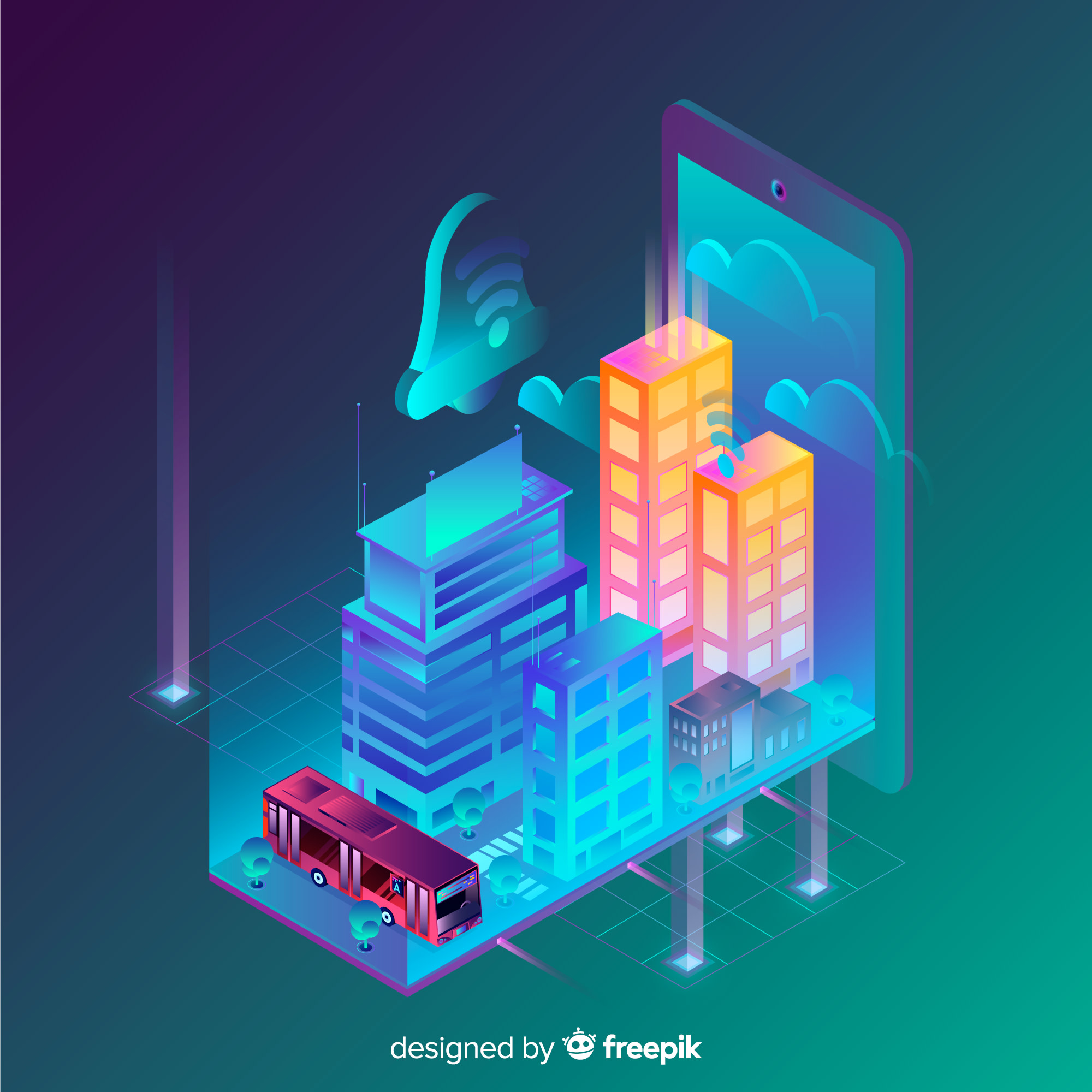
Future-Proofing the Metropolis: IoT Strategies for Urban Resilience and Cybersecurity
Smart cities use IoT devices and data to improve the quality of urban life. We look at how connected technology is making cities more efficient, sustainable, and responsive.
The rise of the global urban population—projected to approach 70% by 2050—demands that our cities become smarter, more efficient, and fundamentally more sustainable. This vision of a sustainable future city, often referred to as the Smart City, relies entirely on digital transformation, with the Internet of Things (IoT) serving as its foundational technological building block.
A Smart City utilizes Information and Communication Technology (ICT) to enhance the quality and efficiency of urban services, transportation, and utilities. The IoT paradigm enables this by making everyday objects "smart"—uniquely identifiable and equipped with sensing, computing, and communication capabilities to interact with each other and with users, facilitating pervasive and ubiquitous computing.
The Core Pillars: Defining the Connected Metropolis
Smart city development is crucial because urban environments currently occupy only about 2% of the world’s surface but contribute to 75% of global energy consumption and 80% of global gas emissions. The primary goal is enhancing citizens’ quality of life, focusing on areas like smart transportation, healthcare, safety, and well-being.
To achieve these objectives, cities worldwide are embedding digital technologies and new digital services into critical infrastructure (e.g., energy, transport, communications) and social infrastructure (e.g., health and emergency services).
1. The Power of Smart Energy and Grids
The convergence of smart cities and smart grids is a significant advancement in urban sustainability. Smart grids are cutting-edge energy distribution and management methods characterized by intelligent monitoring systems, adaptive response mechanisms, and the crucial ability to integrate renewable energy sources.
Smart grids revolutionize urban energy management by enabling real-time monitoring and control of energy flows, ensuring more efficient resource utilization and minimizing waste.
- Key Components: The technological foundation of a smart grid includes advanced metering infrastructure (AMI) and Smart Meters, which provide real-time data on energy consumption, allowing for effective monitoring and control.
- Sustainability Impact: By optimizing energy distribution and promoting renewables (like wind and solar), smart grids are essential for reducing reliance on fossil fuels and lowering the urban carbon footprint.
2. Deep Dive: The Efficiency of Smart Lighting Solutions
Public street lighting is an essential community service, but traditional, inefficient implementations can consume up to 40% of a city’s allocated budget. IoT-augmented lampposts introduce a critical solution by saving energy through dimming or turning off lights when no citizens are detected nearby.
The technology used in the lamps significantly impacts energy efficiency:
- HPS (High Pressure Sodium) Lamps: These older technologies can only be turned entirely on or off; they do not support dimming. However, implementing systems that turn HPS lamps on/off based on presence can still reduce annual operational expenditures by nearly 60% compared to current implementations.
- LED (Light-Emitting Diode) Lamps: LED technology is the most convenient solution in terms of lifetime, maintenance, and energy savings. Crucially, LEDs can dim light intensity by over 50%, adapting the output based on circumstances like low traffic or pedestrian absence.
A case study in Luxembourg highlighted that replacing all existing lamps with LEDs and implementing a dimming strategy based on user presence (DIM method) is financially advantageous, offering an economical return within the first year of deployment.
3. Transforming Urban Mobility and Services
IoT permeates various public services, driven by sensors, drones, and digital devices:
- Intelligent Transportation: IoT technologies enable real-time coordination, management, and information processing across transportation networks. In Singapore, the 'One Monitoring' system uses sensors to track bus and train locations and passenger numbers to improve routes and schedules. Masdar City pioneers autonomous first- and last-mile vehicles using LIDAR cameras, sensors, and GPS for obstacle detection and location tracking.
- Smart Parking: IoT-connected sensors indicate empty parking spots, resolving congestion and driver annoyance caused by searching for spaces.
- Waste Management: IoT-enabled bins notify collection services when they are full, optimizing collection routes, which reduces vehicle emissions and operational inefficiencies. Fujisawa, Japan, employs IR and ultrasonic sensors for automatic separation and recycling of e-waste.
- Smart Health (IoMT): The Internet of Medical Things (IoMT) is one of the fastest-growing sectors. IoMT devices facilitate remote patient monitoring (tracking heart rate, blood pressure, etc.), and enable advancements like robotic surgery using miniature internet-connected robots for less invasive procedures.
Enhancing Intelligence: AI, Data, and Dynamic Timing
IoT's sheer volume of generated data is useless until analyzed. This is where Artificial Intelligence (AI) transforms the connected metropolis from merely "smart" to "intelligent."
- AI for Optimization: AI algorithms digest massive data quantities, extracting patterns to help local governments take appropriate actions. Applications include smart traffic control (e.g., Barcelona’s Smart Mobility system) and optimizing energy consumption in buildings.
- Carbon-Aware Systems: This emerging approach uses AI and real-time carbon forecasting (from tools like Electricity Maps and WattTime) to align energy-intensive activities with moments when renewable power generation (wind and solar) is high and grid electricity is cleanest. This shift can reduce emissions from computing and municipal infrastructure by up to 20% without performance loss. Cities like Copenhagen are piloting programs where district-heating plants adjust production based on the grid's real-time cleanliness.
- Digital Twins as Living Laboratories: A digital twin is a dynamic, data-fed 3D model that mirrors the physical city. It allows planners to simulate interventions and test planning scenarios safely before real-world deployment. Helsinki’s Energy and Climate Atlas, for example, integrates data from 85,000 buildings to map energy consumption and solar potential, improving policy decisions.
Building Urban Resilience with Digital Systems
A resilient city must have the capacity to anticipate, absorb, respond to, recover from, and adapt to acute shocks (like disasters) and chronic stresses (like climate change). Digital systems enhance urban resilience through several key qualities:
- Flexibility and Integration: Data platforms and connectivity allow real-time changes, such as diverting travelers away from congestion (like Google Maps uses user data). Rio de Janeiro’s Centre of Operations (COR) aggregates data from sensors and cameras into a single management center, allowing emergency services, transport operators, and utilities to co-locate and make rapid, joined-up decisions during disasters.
- Redundancy: Resilience implies having multiple forms of connectivity, such as wired and mobile networks, to ensure service continuity if one fails. New solutions like satellite-based internet (Starlink) provide connectivity even without physical infrastructure on the ground.
- Inclusion: Digital enablement programs can empower citizens, especially vulnerable communities, ensuring equitable access to information and services. For instance, Salvador, Brazil, implemented a Free Digital School initiative to strengthen digital skills for vulnerable groups, creating new economic opportunities.
The Unseen Risks: Challenges to the Connected Metropolis
While the benefits are transformative, the widespread adoption of IoT and digital systems introduces significant challenges, often referred to as 'wicked problems' due to their complexity and interconnected nature.
A. Security and Privacy Vulnerabilities
The close coupling of urban systems makes them vulnerable to cascading failures. Cybersecurity is paramount due to the high risk of cyberattacks targeting city data platforms and critical infrastructure.
- Real-World Threats: Ransomware attacks have severely impacted local governments and healthcare systems, such as the major ransomware cyberattack on Ireland’s Health Service Executive (HSE) in 2021, which caused all IT systems nationwide to shut down for months. The Municipality of Thessaloniki also faced a ransomware attack in 2021, leading to the collapse of its IT systems.
- Data Integrity and Connectivity Failure: Data sharing among diverse stakeholders increases security complexity. Moreover, essential services assume constant digital availability, but failures in energy supplies can lead to complete loss of digital connectivity, necessitating analogue backup plans.
- Privacy Concerns: The detailed data collection from smart meters and public surveillance (facial recognition, location data) raises serious privacy and trust issues among citizens. Data governance must prioritize transparency regarding data usage and allow individuals to exercise independent information control.
B. Interoperability and Governance Hurdles
Many solutions deployed in cities are proprietary, leading to vendor lock-in and a lack of standards. This heterogeneity means devices from different suppliers often cannot communicate effectively, resulting in stranded assets.
To counter this, Data Governance is essential. This refers to frameworks that establish rules for data handling in smart cities to ensure suitability and promote trust, explicitly requiring a human-centered approach rather than prioritizing technology for its own sake. An effective framework also requires adopting agile governance, where rules are continuously revised, implemented, and evaluated due to the rapidly evolving technological landscape.
Standardization: Ensuring Seamless Integration
To overcome the crisis of proprietary systems and enhance the market for scalable smart city applications, interoperability standards are vital.
The TALQ Smart City Protocol is a global standard developed to enable Central Management Software (CMS) to configure, control, command, and monitor various Outdoor Device Networks (ODNs) from multiple vendors.
- How TALQ Works: It defines the data format, message types, and parameters for communication between a CMS and a Gateway (the edge point of the ODN), utilizing a standard RESTful/JSON protocol.
- Avoiding Vendor Lock-in: TALQ allows cities to adopt control solutions from multiple vendors and manage them all through a single CMS. It supports applications across vertical markets, including Lighting Control, Waste Collection, Parking Detection, Environmental Sensing, and Energy Management. This design fosters a competitive environment and significantly simplifies system integration.
Funding the Future Metropolis
Smart city initiatives require substantial financial commitments. Municipal leaders employ various strategies to move beyond initial pilot projects to sustainable funding models:
- Grant Funding: Leveraging federal or national grants is a core strategy. Columbus, Ohio, won the largest US DOT smart transportation grant to date, receiving **500 million in matching public and private investment. Winning often requires proposals to clearly link technology applications directly to improvements in quality of life for citizens.
- Municipal Advertising: Cities like Philadelphia use digital advertising on infrastructure (such as LinkPHL kiosks) to generate revenue that funds public services, including free gigabit WiFi connectivity in underserved neighborhoods.
- Public-Private Partnerships (PPPs): Organizations like the Dallas Innovation Alliance (DIA) operate as non-profit intermediaries to accelerate smart city deployment by sidestepping traditional procurement processes and securing equipment donations from corporate partners (like AT&T) for pilot projects.
- Bond Financing: Long-term infrastructure projects, such as building a municipal fiber network, can be funded through infrastructure bond models, where revenue generated from leasing the infrastructure (e.g., fiber network capacity) pays back the debt over time (e.g., Westminster, MD).
Conclusion: A Sustainable and Resilient Path Forward
The integration of IoT and smart cities is not just a technological upgrade; it represents a paradigm shift toward building truly sustainable and resilient connected metropolises. From energy efficiency gained through dimmable LED streetlights to comprehensive urban management enabled by digital twins and AI, IoT is transforming how cities operate.
However, the realization of this potential requires continuous commitment to human-centered governance. Policymakers and city planners must focus on integrating technology with robust security measures, equitable access, and open standards (like the TALQ Protocol) to ensure that the benefits of digital intelligence are shared fairly and reliably. By mastering the harmony between technology and human values, cities can ensure that every kilowatt saved and every piece of data analyzed translates into a step toward a truly sustainable future.
Related Articles

Edge Computing Explained: Why Zero Latency, Real-Time Speed, and GDPR Compliance are Changing the Cloud
Edge computing processes data closer to where it's generated, instead of in a centralized cloud. This trend is critical for latency-sensitive applications like IoT, AR, and autonomous vehicles.

Digital Therapeutics vs. AI Chatbots: The Battle for Safe Mental Health Care
Technology is playing a growing role in mental healthcare. From meditation apps to AI-powered chatbots and VR therapy, digital therapeutics are making support more accessible.
Beyond Lithium-Ion: Why Cheaper Sodium Batteries Are the True Future of Sustainable Grid Storage
Beyond lithium-ion, a new generation of battery technologies is emerging. We explore the innovations set to power everything from EVs to grid-scale energy storage.